
What is the difference between CBP Form 3461 and 7501?
The two-step entry process
Under 19 CFR 142, a formal entry is a two-stage process:
- Entry (Form 3461) — Filed before or at arrival. Provides basic information (consignee, carrier, bill of lading, estimated value) and authorizes CBP to release the cargo. Goods can be moved to the importer's premises once released.
- Entry Summary (Form 7501) — Filed within 10 working days after release. Declares final HTS classification, valuation, duty calculation, and supporting fee breakdown (MPF, HMF, merchandise processing). This is the legal duty declaration.
For a refund analysis, you primarily work off the 7501. The 3461 is operational; the 7501 is compliance.
What Form 3461 contains
Form 3461 (the "entry" in casual trade parlance) includes:
- Importer of record number (or bond sufficient to cover estimated duty)
- Consignee
- Country of origin
- Carrier and bill of lading
- Estimated value and duty
- Broker filer code
- Port of unlading
The 3461 is often filed before the ship arrives as an "Immediate Delivery" under 19 CFR 142.22, letting the cargo clear the port without delay.
What Form 7501 contains
Form 7501 is the binding legal document. It contains 40+ blocks of detail:
- Complete HTSUS classification per line
- Declared value (transaction value or other basis under 19 USC 1401a)
- Duty calculation per line
- MPF and HMF fees
- Special trade program claims (USMCA, GSP if applicable)
- Antidumping/countervailing duty indicators
- Reconciliation and FTZ flags
- Broker signature under 19 CFR 111
For CAPE refund purposes, the 7501 is your primary evidence. Block-by-block it shows the IEEPA duty line that CBP will refund.
Timing differences
| Event | Form 3461 | Form 7501 |
|---|---|---|
| Filed | Before or at arrival | Within 10 working days of release |
| Purpose | Release cargo | Declare duty |
| Legal effect | Authorizes physical release | Establishes duty liability |
| Revisions | Limited; release is released | PSC within 300 days; CF-19 within 180 days of liquidation |
| Liquidation relevance | None | Liquidates ~314 days after entry |
Which one matters for refunds
The 7501. Always. The 3461 does not establish duty liability; it just gets the goods out of the port. When you calculate refund exposure, pull 7501 line detail from ACE.
See CAPE Phase 1 eligibility for which entries qualify. See when does an entry liquidate for the 7501's liquidation clock.
Electronic filing
Both forms file electronically through ABI (Automated Broker Interface) into ACE. Paper filing is rare and typically limited to informal entries or special circumstances. Your broker's software (SmartBorder, DDi, Expeditors, etc.) submits both forms via ABI.
Reading the 7501 for refund work
Key blocks for a CAPE IEEPA refund analysis:
- Block 1 — Entry number (format: filer code + entry + check digit)
- Block 3 — Entry type (01 consumption, 11 informal, etc.)
- Block 5 — Port code
- Block 22 — IOR name and number — confirms who holds refund rights (see am I the importer of record)
- Block 29 — Total declared value
- Block 30-33 — HTSUS line detail with duty rates
- Block 34 — Total entered value
- Block 37 — Total duty paid
- Block 38 — MPF
- Block 39 — HMF
- Block 41 — Total paid by importer
The IEEPA duty will appear as a separate line within Block 30-33 breakdown, identifiable by the special tariff HTS extensions (typically Chapter 99 subheadings).
The 10-day 7501 deadline
If the 7501 isn't filed within 10 working days, CBP can revoke the release authorization and demand the cargo back. In practice, brokers rarely miss this. But in a refund context, confirm the 7501 exists for each entry before starting CAPE filing.
Post-Summary Correction (PSC)
If you need to correct a 7501 after filing, a Post-Summary Correction under 19 CFR 149 can be filed within 300 days of entry (not liquidation). After 300 days or after liquidation, correction requires a CF-19 protest.
For IEEPA refunds, PSC is an alternative path for still-unliquidated entries. Most importers use CAPE directly; PSC is used for entries that need classification corrections in addition to IEEPA refund.
Calculate your tariff refund → /calculators/ieepa-refund
Related questions
When does an entry liquidate? Approximately 314 days after entry. See liquidation date.
How do I find my entries in ACE? See ACE portal registration.
Am I the IOR? Check Block 22 of your 7501. See verifying your importer-of-record claim.
Not legal advice. Customs business performed by licensed customs broker partners under 19 CFR 111.
Keep reading

find your importer of record on the entry summary
How to read the IOR field on Form 7501 line 22.
Read more →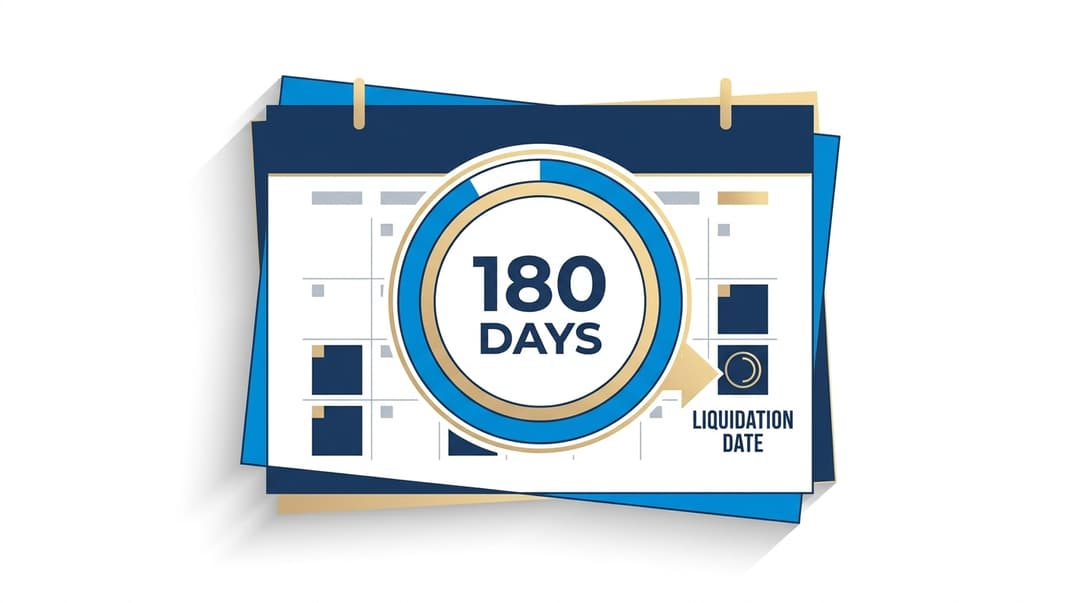
when CBP locks in your entry's duty figure
Liquidation timing and how it freezes refund eligibility.
Read more →
pulling 7501 records from the ACE portal
Step-by-step ACE export to retrieve every entry summary.
Read more →
filing a CAPE claim with your 7501 data
The CAPE-portal walkthrough once you have the 7501 in hand.
Read more →Related questions
Find out what you’re actually owed.
Run the IEEPA refund calculator or take the 60-second qualification quiz. Estimate only — subject to CBP adjudication.