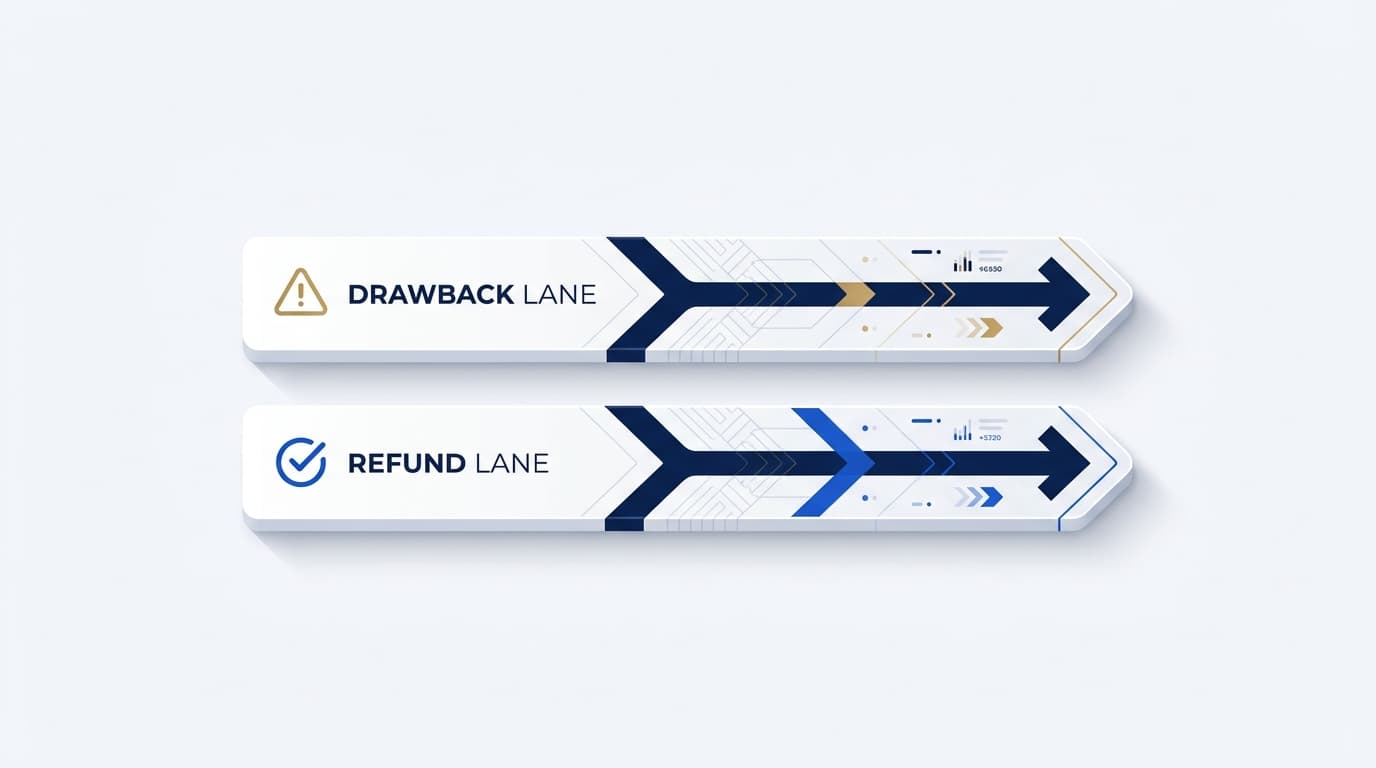
What's the difference between duty drawback and a tariff refund?
The legal basis is different
Drawback (19 USC 1313) is an incentive program. Congress allows importers and manufacturers to recover duty when goods leave US commerce, keeping US producers competitive in export markets. It is a matter of trade policy, not error correction.
Refund under protest (19 USC 1514) is a legal remedy. It exists because CBP sometimes collects duty that was not legally owed — a wrong classification, a wrong valuation, or in the 2026 IEEPA case, an unconstitutional tariff. The 180-day CF-19 protest window preserves the right.
CAPE refunds (April 2026) are a hybrid: administratively processed under 19 USC 1514 for unliquidated entries, with the CAPE portal accelerating what would normally be individual protests.
The qualifying event is different
| Criterion | Duty drawback | Tariff refund |
|---|---|---|
| Trigger | Export, destruction, or manufacturing substitution | Duty paid in error or on later-struck tariff |
| Legal authority | 19 USC 1313 | 19 USC 1514 or statutory refund program |
| Percentage refunded | 99 percent of duty | 100 percent of duty paid |
| Time window | Up to 5 years from import | 180 days from liquidation (CF-19) |
| Filing venue | CBP Drawback Office (privileged accounts) | CAPE portal or CF-19 protest |
| Broker required | Strongly recommended, complex filings | Required for customs business under 19 CFR 111 |
Drawback types under 19 USC 1313
Three primary categories:
- Unused merchandise drawback (1313(j)) — Import goods, do not use them, export or destroy. Refund 99 percent.
- Manufacturing drawback (1313(a) and 1313(b)) — Import goods, use them to make something else, export the finished product. Refund 99 percent of duty on the imported inputs.
- Substitution drawback (1313(b) and 1313(j)(2)) — Use domestic goods instead of imports in a qualifying substitution, still earn the drawback.
For a full walkthrough read the duty drawback guide.
Refund types
Refund claims typically fall into:
- CF-19 protest refunds — Contest a specific liquidation under 19 USC 1514 within 180 days.
- Post-summary correction (PSC) — Correct an entry summary within 300 days of entry date if not yet liquidated, under 19 CFR 149.
- Statutory refunds — Congress or the courts strike down a duty (e.g. IEEPA 2026), and CBP refunds automatically via CAPE.
Can I do both on the same import?
Generally no. You cannot collect drawback on duty that was also refunded — that would be double recovery. If you already received a CAPE IEEPA refund on an entry, drawback on that same entry is limited to the residual MFN rate duty, not the refunded IEEPA amount.
Which one fits my situation
Quick decision tree:
- Did you export or destroy the imported goods? → drawback path
- Did you pay IEEPA tariffs between 2025 and Feb 2026? → tariff refund via CAPE
- Did you misclassify and overpay? → CF-19 protest within 180 days of liquidation
- All of the above? → file IEEPA refund first, then claim drawback on residual duty
Calculate your tariff refund → /calculators/ieepa-refund
Related questions
What does a drawback consultant charge? Typically 8 to 20 percent contingency. See what drawback consulting costs.
Can my broker file both? Yes, with valid POA. See broker filing.
How far back can I claim drawback? Up to 5 years from the import date per 19 USC 1313(r).
Not legal advice. Customs business performed by licensed customs broker partners under 19 CFR 111.
Keep reading
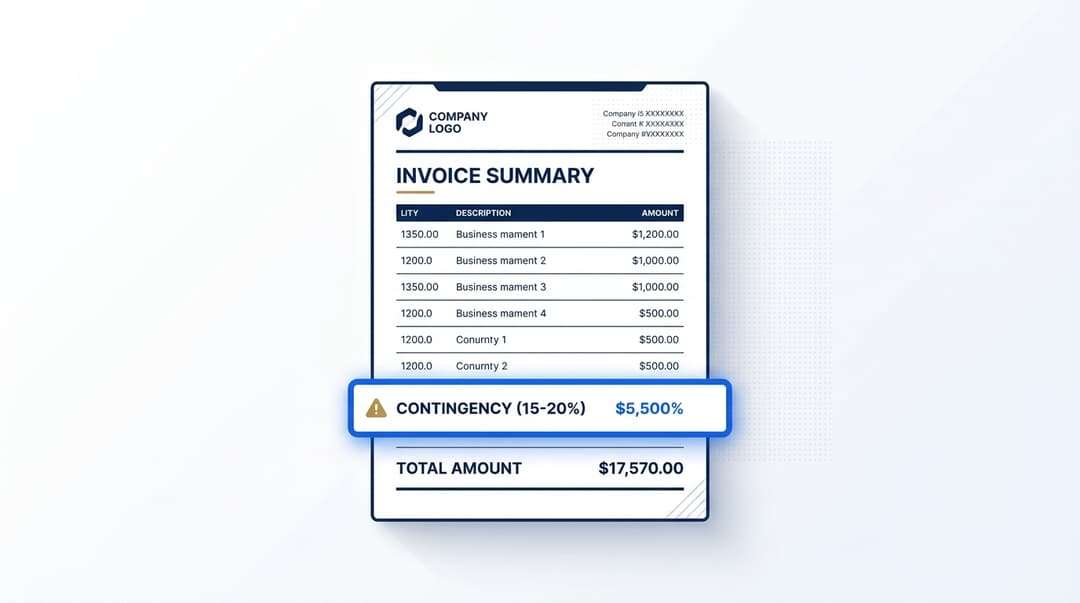
broker fees for duty drawback claims
Cost ranges and pricing models for drawback work.
Read more →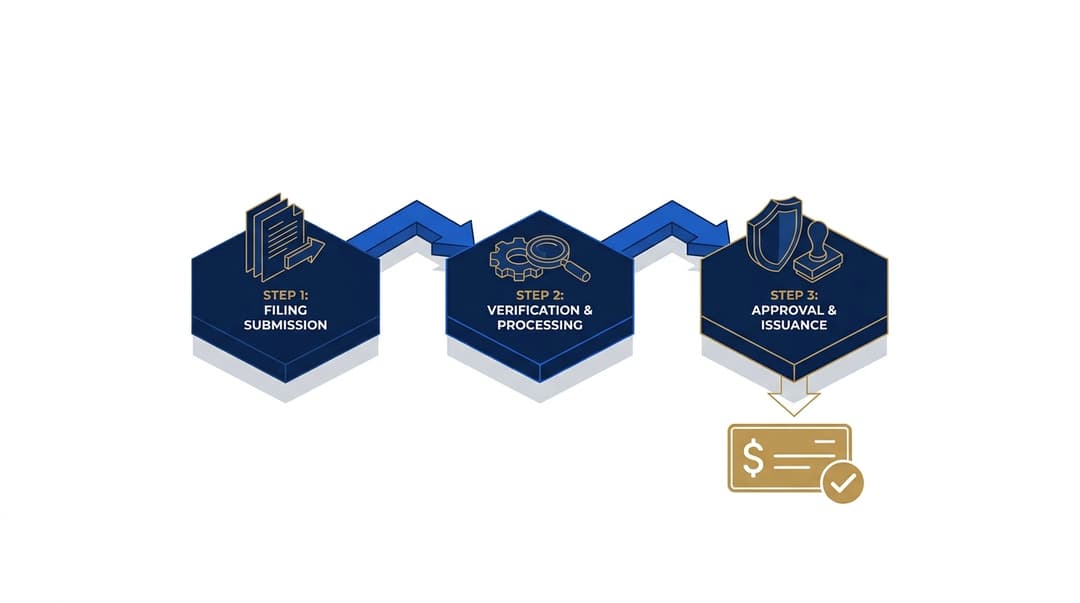
how a drawback claim is actually filed
CBP Form 7551 mechanics and ABI transmission steps.
Read more →
interest CBP pays on tariff refunds
How quarterly interest accrues on duties refunded.
Read more →
comparing drawback claims to IEEPA CAPE filings
When to pursue each path on the same entry.
Read more →Related questions
Find out what you’re actually owed.
Run the IEEPA refund calculator or take the 60-second qualification quiz. Estimate only — subject to CBP adjudication.