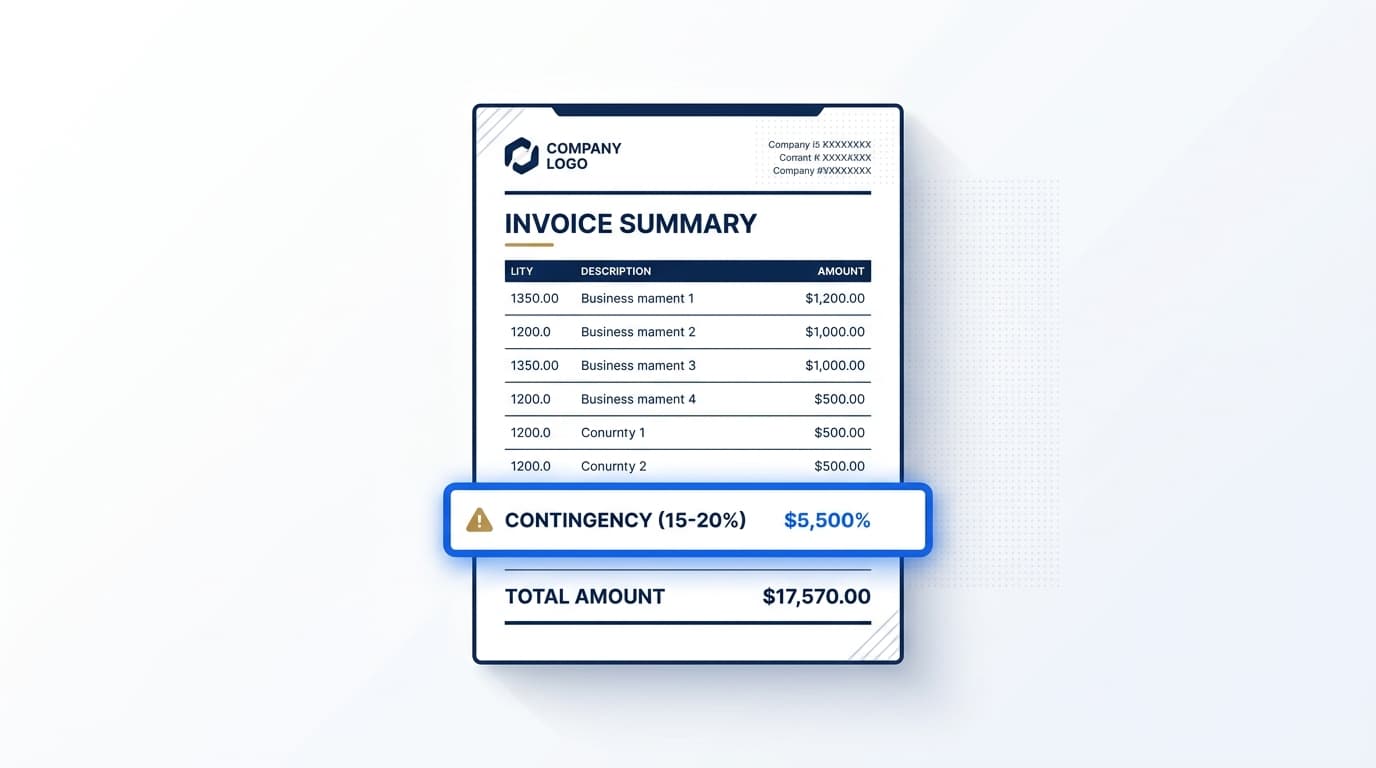
How much does a duty drawback consultant charge?
The three pricing models
Contingency (8 to 20 percent) — The most common structure. Consultant recovers X dollars of duty, keeps a percentage, importer gets the rest. Aligns incentives, no upfront cost. Downside: on a very large recovery, percentage fees add up fast — a $5M recovery at 15 percent is $750K to the consultant.
Flat fee ($500 to $5,000 per claim) — Common for straightforward manufacturing drawback filings where the paperwork is repetitive. Appropriate when you have a mature drawback program and just need filing hands.
Hourly ($150 to $400) — Used for complex substitution drawback, rulings requests, or compliance builds. Senior drawback specialists at larger firms bill $300+.
Hybrid (flat + contingency) — Smaller flat fee to cover the build, lower contingency on recovery. Fair for mid-sized programs.
What drives the rate
- Transaction volume — Thousands of line items or tens of thousands of entries compresses the per-entry cost and often pulls the contingency rate down into single digits.
- Recordkeeping maturity — Good records (export bills of lading tied to import entries) make drawback cheap to prove. Bad records push the rate up because the consultant has to reconstruct.
- Drawback type — Unused merchandise (1313(j)) is simple. Manufacturing substitution (1313(b)) with complex production records is expensive.
- Accelerated payment privileges — Once your account is APP-privileged, filings are faster and rates drop.
- Audit exposure — Programs with prior CBP audit flags require more defensive filing and cost more.
What to expect included in the fee
A proper drawback consultant engagement includes:
- Eligibility analysis across your import and export data
- HTSUS classification verification on inputs and outputs
- Filing the drawback claim on CBP Form 7551 and 7553
- Managing accelerated payment privilege applications
- Responding to CBP requests for information
- Documentation retention compliance under 19 CFR 190.15 (5-year rule)
Be skeptical of any quote that doesn't include response to CBP inquiries. That's the hardest and most expensive part.
Red flags on drawback pricing
- Contingency above 25 percent — Rare outside very small recoveries; margin compression makes this uncompetitive
- Upfront retainer without clear deliverable — A pure retainer model with no recovery milestone is a cash-flow arrangement, not a drawback service
- "No paperwork required from you" — Drawback requires your export records. Anyone who says otherwise is either lying or will get your claim bounced
- Guaranteed recovery amount before analysis — Impossible to promise without reviewing the data
- No mention of 19 CFR 190 compliance — The modernized drawback rule under TFTEA. Any consultant unfamiliar with this isn't current
Cost vs DIY
Can you file drawback yourself? Yes. The filing is CBP Form 7551. But the compliance cost (software for drawback ledger management, broker sign-off on submissions under 19 CFR 111, responding to CBP audits) typically outweighs the consultant fee unless you have 100+ claims per year and dedicated staff.
For a one-off or annual claim, the consultant pays for themselves. For ongoing high-volume, consider building an in-house drawback function with consultant support on complex cases.
Contingency on IEEPA refunds is different
Note: the 8-20 percent contingency norm is for drawback. CAPE IEEPA refunds are more formulaic — many brokers charge flat per-entry fees on CAPE work rather than contingency because the processing is standardized. If a firm quotes 20 percent contingency on your CAPE IEEPA refund, compare against a flat-fee broker quote. The IEEPA refund isn't complex enough to warrant drawback-level contingency.
See duty drawback vs tariff refund for why these are different programs.
Calculate your tariff refund → /calculators/ieepa-refund
Related questions
What's the difference between drawback and refund? See drawback vs refund.
How far back can I claim drawback? Up to 5 years from import under 19 USC 1313(r).
Can my broker handle drawback? Licensed brokers can. Drawback specialty brokers generally do it better.
Not legal advice. Customs business performed by licensed customs broker partners under 19 CFR 111.
Keep reading
drawback compared to IEEPA refund mechanics
Two different refund paths and when each one applies.
Read more →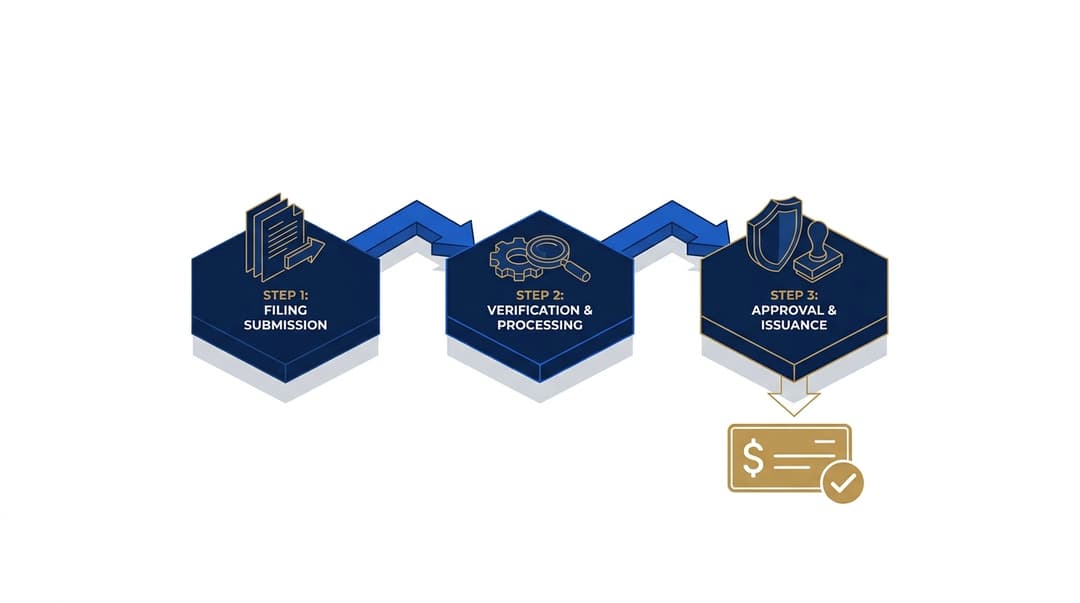
step-by-step duty drawback filing guide
Complete documentation and CBP submission walkthrough.
Read more →
FTZ savings versus drawback recovery
Choosing between foreign-trade-zone strategy and drawback claims.
Read more →
drawback path versus the IEEPA refund path
Which path you should choose for exported goods.
Read more →
broker vs consultant engagement framework
Compliance line between filing and advising.
Read more →Related questions
Find out what you’re actually owed.
Run the IEEPA refund calculator or take the 60-second qualification quiz. Estimate only — subject to CBP adjudication.