California Tariff Refund: IEEPA, Drawback, and CAPE Filing Guide
TL;DR
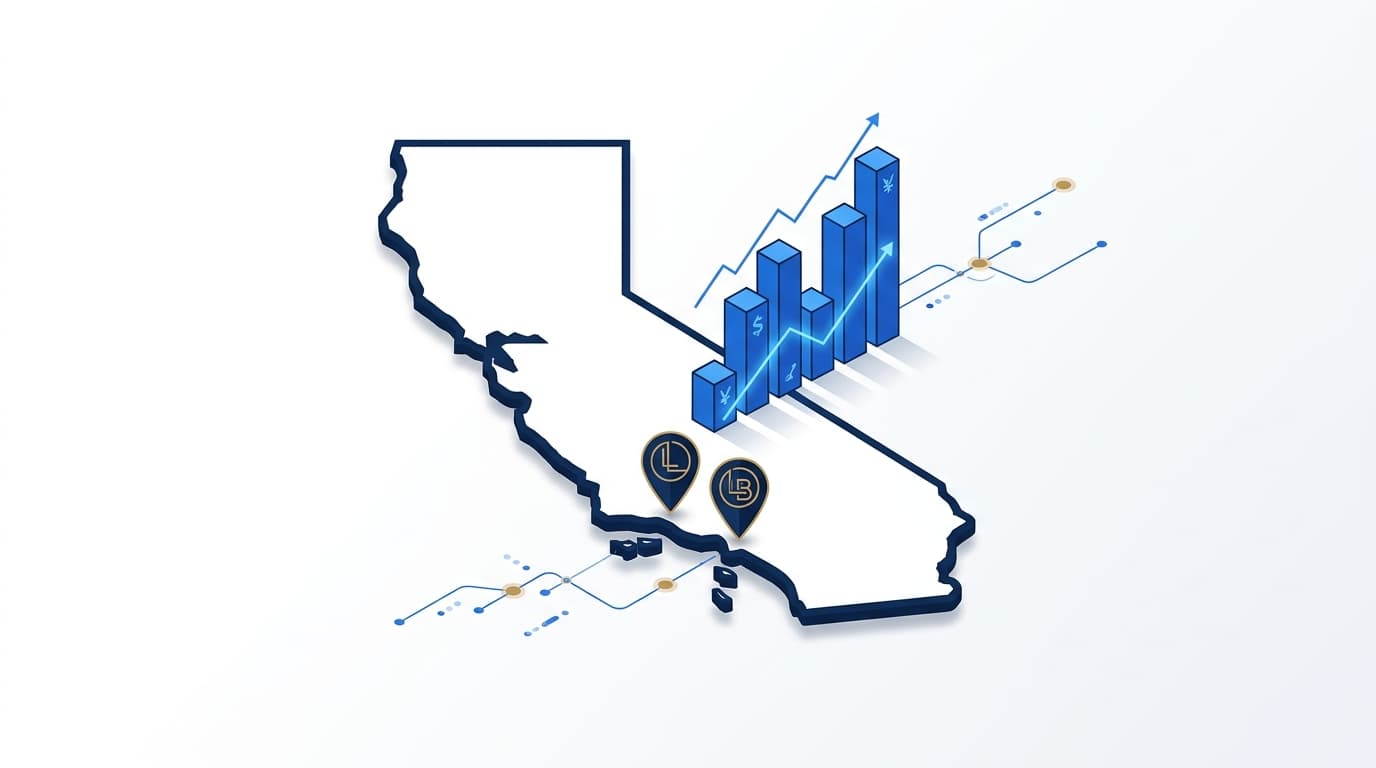
California imports roughly $487 billion per year through Los Angeles / Long Beach and related CA entry ports. An estimated $42 billion of that exposure moved under IEEPA duties during the April 2, 2025 to February 20, 2026 window and is now eligible for CAPE refund or CF-19 protest. Roughly 53,000 California importers are on CBP's matched IEEPA roster. This guide walks through how California importers should approach the CAPE portal, what ports to examine first, and which industries carry the highest refund density in CA.
1. The California Snapshot
California moves more IEEPA-touched cargo than any other state. Los Angeles / Long Beach handled roughly 40 percent of all Chinese imports that entered under the 2025 IEEPA regime.
Primary ports of entry:
- Los Angeles
- Long Beach
- Oakland
- San Diego
- San Francisco
Primary CBP contact: Los Angeles Field Office (Carson). ACE port codes typically seen on CA entries: 2704, 2709, 2809.
CA importer-of-record concentration skews toward apparel and consumer electronics. Combined, those two categories accounted for roughly 60 percent of California's 2025 IEEPA surcharge exposure.
2. What a California Importer Should Do First
Three concrete actions, in order:
- Pull your 2025 ACE entry history. Filter for port codes
2704, 2709, 2809. Export the CSV and look for the IEEPA flag (typically Section 9903.01.xx on Column 1 lines). - Check the liquidation dates. If any entry liquidated more than 180 days ago, the CF-19 window has closed and CAPE is your only path. If the entry is still inside 180 days, a parallel CF-19 protest preserves your position regardless of CAPE Phase 1 or 2 timing.
- Separate refundable from non-refundable lines. IEEPA duties are refundable. Section 301, Section 232, and Section 122 surcharges are handled differently. MPF and HMF on IEEPA-struck lines are generally refundable on a pro-rata basis but require line-level calculation.
Our IEEPA Refund Calculator estimates your refund range for each entry. For a faster line-level breakdown, upload your Form 7501 to the AI analyzer and we return the structured extraction in under 60 seconds.
3. Port-Specific Notes for California
Most of California's IEEPA exposure concentrates at Los Angeles / Long Beach. The key mechanical points:
- Reliquidation speed. Ports handling high CAPE volume process refund-only adjustments in batches. Phase 1 submissions filed through Los Angeles / Long Beach are on a 60-day CBP target; Phase 2 stretches to 90 days.
- Broker consolidation. Most California importers use the same short list of customs brokers. If your broker filed your 7501s, they almost certainly have the ACE ABI transmissions on file and can pull them for you in hours.
- Field-office audit posture. The Los Angeles Field Office (Carson) has a reputation for tight UFLPA and forced-labor screening. If your 2025 sourcing touched any entity on the UFLPA Entity List or any AD-CVD case, stop and route through a customs law firm, not a refund shop.
4. Industry Density in California
| Industry | Refund density | State |
|---|---|---|
| Apparel | 3.2% | CA |
| Consumer Electronics | 2.6% | CA |
| Footwear | 2.1% | CA |
| Toys | 1.8% | CA |
| Auto Parts | 1.5% | CA |
California's top industries above are where refund claims cluster. Importers in apparel tend to see the highest refund per $1M of imports because of stacking: IEEPA often rode on top of Section 301 or Section 232 on the same HTS line, and drawback opportunities stack on top of both.
If you are a apparel importer in CA, check our apparel playbook. The playbook covers the HTS codes with the highest refund density, typical landed-cost impact, and how first-sale valuation or HTS reclassification can reduce exposure on future entries.
5. Compliance Posture: Why We Are Not a Refund Mill
California importers who shop around will find refund mills promising 30 percent contingency fees and "instant" claim filing. Two reasons to avoid that model:
- 19 USC 1641 makes it a federal offense to transact customs business without a licensed broker. Our model routes every filing through a licensed customs broker partner under 19 CFR 111. Refund mills that file through unlicensed staff expose you to the statutory liability.
- FTC Section 5 prohibits unsubstantiated refund claims. "You might be owed $200,000" style hooks are a federal kill box. Our calculators publish estimate ranges with the explicit "subject to CBP adjudication" caveat.
6. Next Steps for California Importers
- Take the 60-second qualification quiz to see which refund path applies.
- Run the IEEPA Refund Calculator on your largest 2025 entry.
- Book a 30-minute consultation with our licensed customs broker partners if your estimated exposure crosses $250,000.
Tariff Refund Credits does not file customs business on your behalf. We estimate, route, and hand off to a licensed partner. All filings are executed under 19 CFR 111.
Related guidance
California apparel importer playbook
Vertical with the highest IEEPA density in CA.
Read more →
consumer-electronics import refund profile
Chapter 85 refund density for LA/Long Beach entries.
Read more →
IEEPA refund guide for California importers
Filing walkthrough for CA-port entries.
Read more →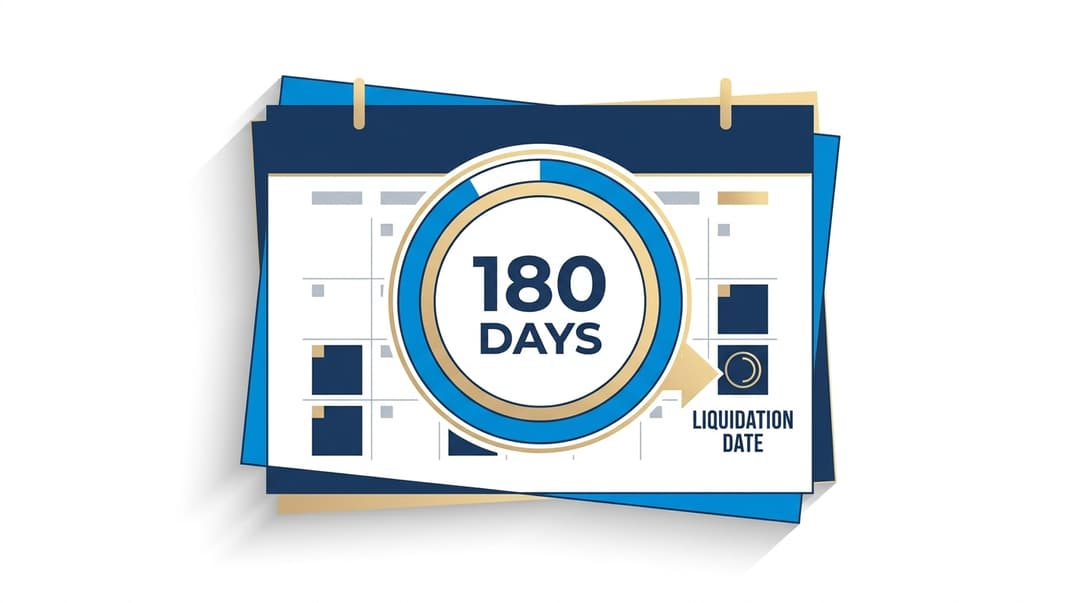
liquidation timing for LA/Long Beach entries
How port handling affects liquidation timing.
Read more →
FBA seller refund guide for LA/Long Beach
Amazon FBA seller profile for Pacific port entries.
Read more →Frequently asked questions
See your California refund in 60 seconds.
Run the IEEPA refund calculator or upload your CBP Form 7501 for a line-by-line AI extraction.